Ask three print shops for a pamphlet and you might get three different things. Here's what leaflets, pamphlets and brochures really are, and how to run a local campaign that works.
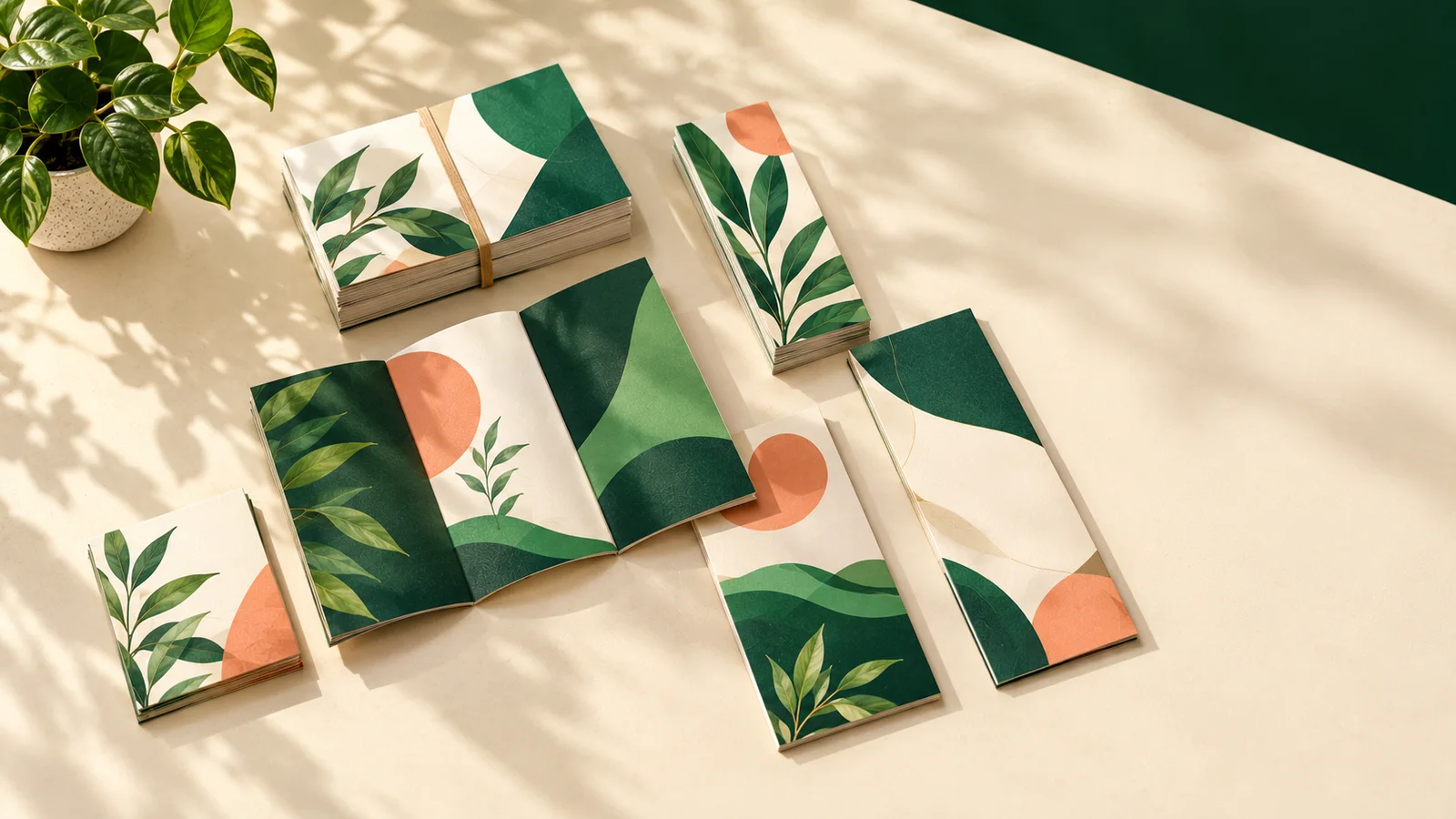
Walk into any print shop in India and ask for "pamphlets". There's a good chance you'll be handed something the shop next door calls a "leaflet", and a third shop calls a "flyer". The names get used loosely, and honestly, that's fine in conversation. But the format you choose still matters a lot, because size, paper and layout decide how long your message survives in someone's hand, and whether they actually act on it.
A leaflet is a small single sheet with one job: a new branch opening, a weekend offer, a tuition batch starting next month. It's made to be handed out quickly at a signal, slipped into newspapers or dropped in society letter boxes.
A pamphlet is a single sheet with more room to explain. Think A4 or A5, flat or folded once. Price lists, course details, event schedules and product ranges are classic pamphlet material.
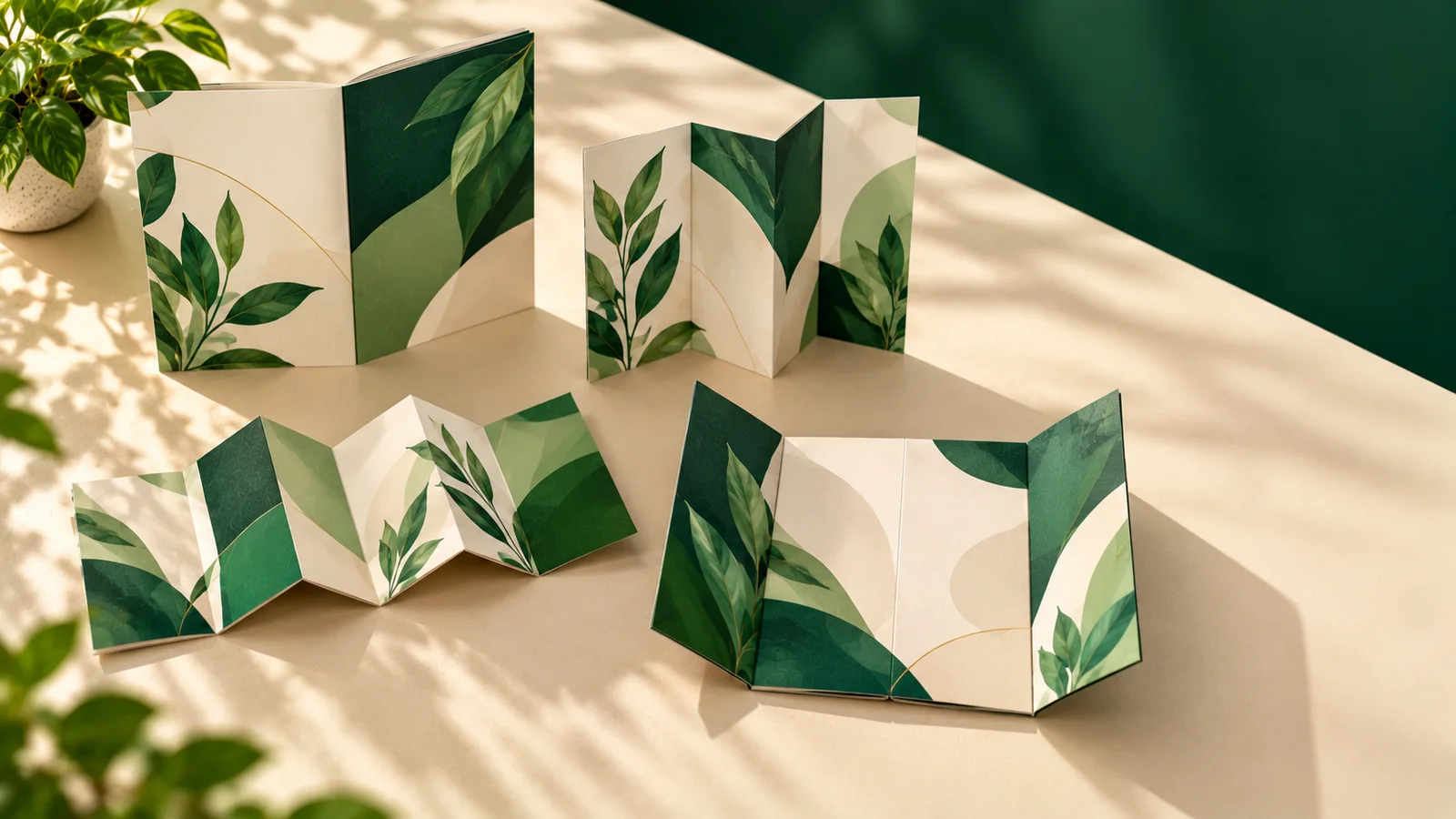
A brochure has several panels created by folding, like a tri-fold or a Z-fold. It tells a fuller story, and people tend to keep it longer.
The easiest way to remember it: a leaflet grabs attention, a pamphlet informs, and a brochure persuades.
Our leaflets come in three sizes. A6 (105 x 148mm) is pocket-sized and cheap to distribute in bulk, which makes it handy for counter handouts, delivery bag inserts and event giveaways. A5 (148 x 210mm) has room for a headline, a photo and a short list, so it's the most flexible of the three. DL (110 x 220mm) is tall and slim. It fits a standard DL envelope and stands out in a letter box, which is why restaurants, salons and property dealers like it.
Our pamphlets come in A4 and A5, printed on one or both sides. A4 gives you space for detail, like a full menu, a clinic's list of services or a coaching centre's batch timings and fees. A5 works when you need more than a leaflet but still want something that slips into a bag.
| GSM | How it feels | Best for |
|---|---|---|
| 100 GSM | Light and flexible | Huge distributions, newspaper inserts |
| 130 GSM | Sturdy, balanced | Most leaflets and pamphlets |
| 170 GSM | Firm, premium | Menus and price lists kept for weeks |
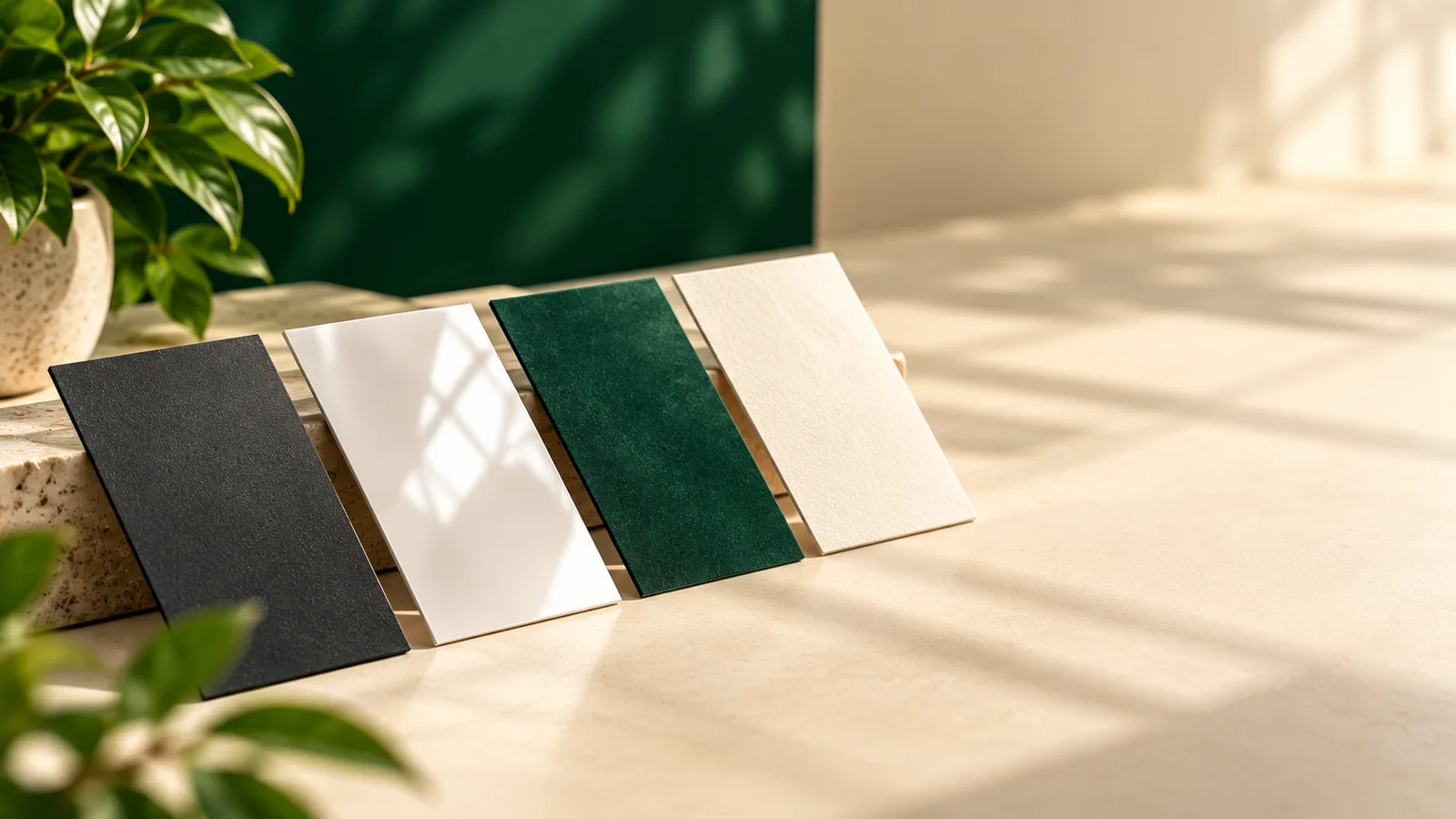
Matte finishes are easier to read under shop lighting and feel modern. Glossy makes food, products and property photos look vivid, though it shows fingerprints more, so ask whoever is distributing to hold them by the edges.
We've printed a lot of leaflets over the years, and the ones that bring customers in usually share a few habits.
They have one headline and one offer. If you need three sentences to explain the offer, it's a pamphlet, not a leaflet. They make the benefit obvious: "Flat 20% off your first order" beats "Grand Opening Celebration" every time. They show where and how clearly, with the address, a landmark everyone knows, and a phone and WhatsApp number in large type. They include a QR code linking to your Google Maps location or a WhatsApp chat, because nobody types a URL from a leaflet. And they give a reason to act now: a clear validity date, or limited seats.
Print marketing still works remarkably well for local businesses, especially in residential societies, markets and office complexes. But you don't need to guess what works. Try this:
Print two versions with different headlines or offers. Give each a unique coupon code or QR link. Distribute version A in one area and version B in another for a week. Then count. Whichever brought more calls, walk-ins or WhatsApp messages wins, and that's the one you reprint in bulk. A small test like this often saves more money than any discount on the print run.
Distribution matters as much as design. Newspaper inserts reach a lot of homes on a Sunday morning, when people actually have time to read. Society notice boards and gated-community letter boxes work brilliantly for tuition classes, home services and nearby restaurants, though always ask the society office first. Local chemists, gyms and salons are often happy to keep a small stack at the counter if you offer to do the same for them. And festival weeks, from Navratri to Diwali, are when people are most open to offers, so plan your print run a little before the rush.
Bundle leaflets in stacks of 50 to 100 with rubber bands so your distributors can move quickly. Keep unused stock in a closed box away from damp walls, because humidity curls paper and can make ink look patchy. And store stacks flat with a piece of cardboard underneath to keep the edges crisp. Nobody wants to hand over a dog-eared leaflet.
Add 3mm bleed on every side, so an A5 leaflet becomes a 154 x 216mm canvas. Keep text and logos 5mm away from the edges. Use images at 300 DPI, and resist the temptation to stretch a small image off the internet, because it will print blurry. Work in CMYK, and keep in mind that neon and metallic colours can't be reproduced with standard ink. Body text should be at least 8pt so it's comfortable to read.
Leaflets start from Rs. 500 and pamphlets from Rs. 700. The final price depends on size, paper, finish and quantity, and larger runs bring the cost per piece down a lot, which is exactly why testing small and then scaling up makes sense.
If your goal is attention, choose an A5 or DL leaflet with one strong offer. If your goal is information, choose an A4 or A5 pamphlet. And if your story genuinely needs several sections, step up to a tri-fold brochure. Whatever you pick, put your WhatsApp number where nobody can miss it.