Most event freebies end up in a drawer. A good branded notepad sits on someone's desk for months. Here's how to plan conference pads that get used.
Think about the last seminar or conference you attended. You probably came home with a tote bag full of things: a keychain, a few pens, a brochure, a fridge magnet. Now think about what's still on your desk. If anything survived, there's a decent chance it was the notepad.
That's the quiet strength of a branded conference pad. It's genuinely useful, so people keep using it, and every time they jot down a phone number or a to-do list, your logo is right there. For training sessions, seminars, dealer meets and even everyday office use, it's one of the few giveaways that earns its cost.
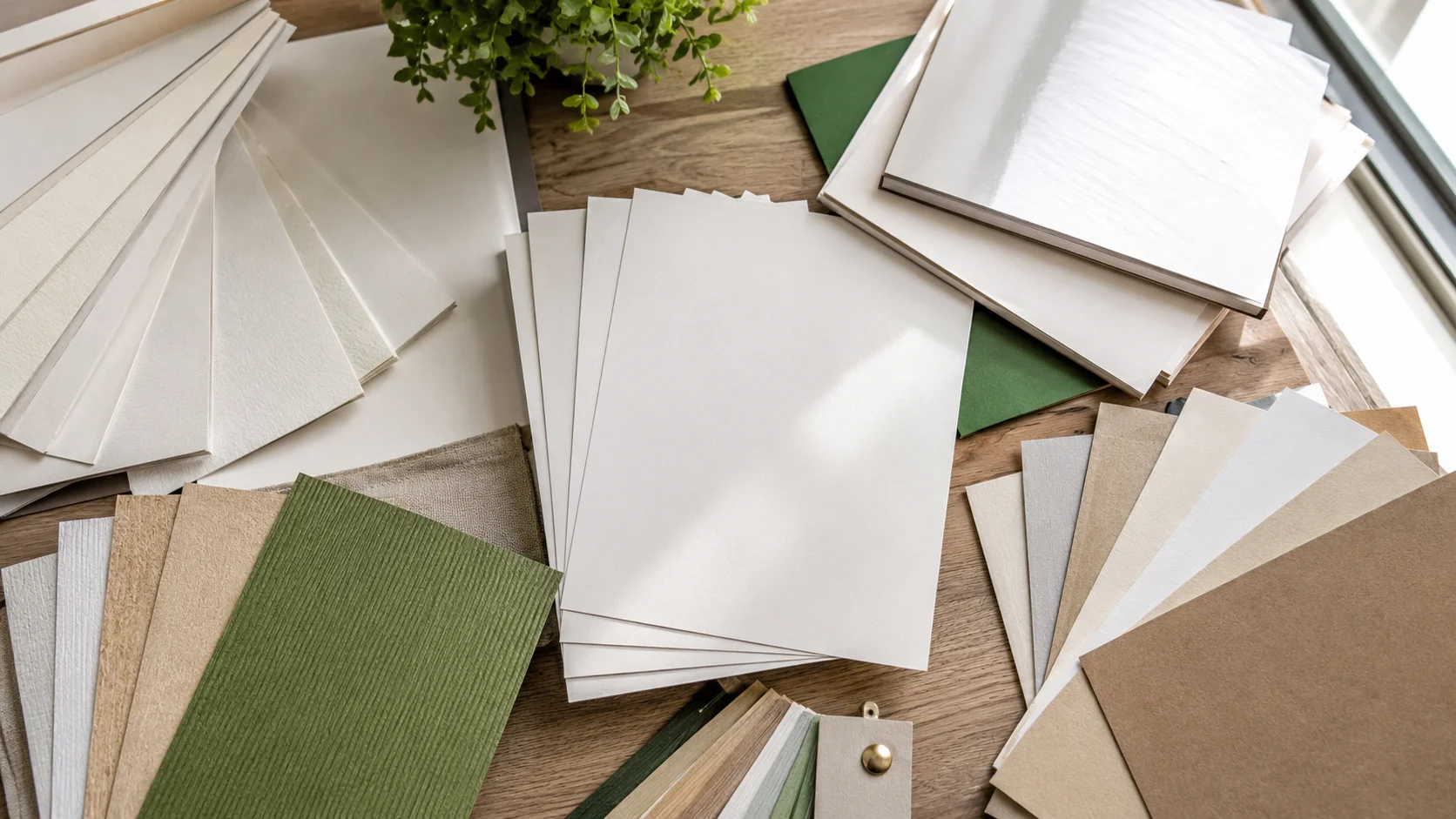
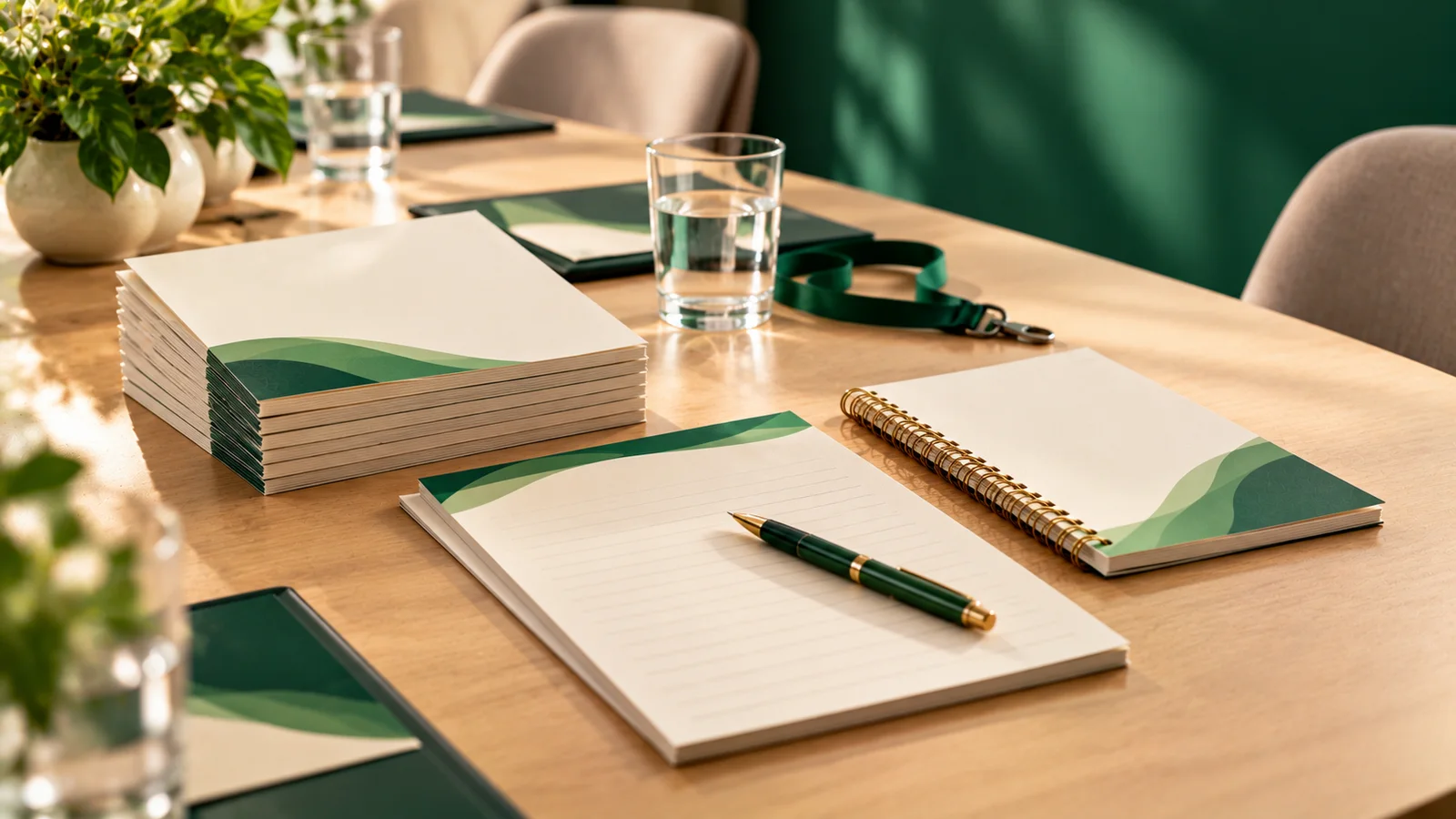
It's a branded writing pad: a stack of printed sheets, a full-colour cover and a firm backing board so people can write on their lap without a table. Our conference pads have 50 sheets as standard, which becomes 100 pages if you print both sides. The inner sheets are 70 or 80 GSM uncoated writing paper, which takes ballpoints, gel pens and pencils comfortably, and the cover is a sturdy 250 GSM printed card.
This depends on how people will use the pad. A4 is right for meetings, workshops and training where participants take detailed notes, draw diagrams or work through exercises. It's also handy in offices for internal meetings.
A5 is half the size and much easier to carry. It fits in a handbag or a conference kit, sits neatly on a desk, and is our usual suggestion for seminars, product launches and reception counters. If you're unsure, A5 tends to get used for longer simply because it's more convenient.
Glue binding holds the sheets together along the top edge, like a classic notepad. Sheets tear off cleanly, which is great for quick notes, phone messages and anything you want to hand to someone else. It's the traditional choice for desks and counters.
Spiral binding (wire-o) lets pages flip over the top, and the pad can fold completely flat. That's lovely for workshops where people keep their notes together and refer back to them. Both styles come with a backing board.
A small tip if you choose glue binding: people shouldn't bend the pad back too far while writing, because that stresses the glue spine. Spiral pads don't have that problem, which is one reason trainers often prefer them.
This is where many branded pads go wrong. They treat every sheet like an advertisement, with a huge logo, bright colours and busy patterns. The result is a pad that's awkward to write on, so it doesn't get used.
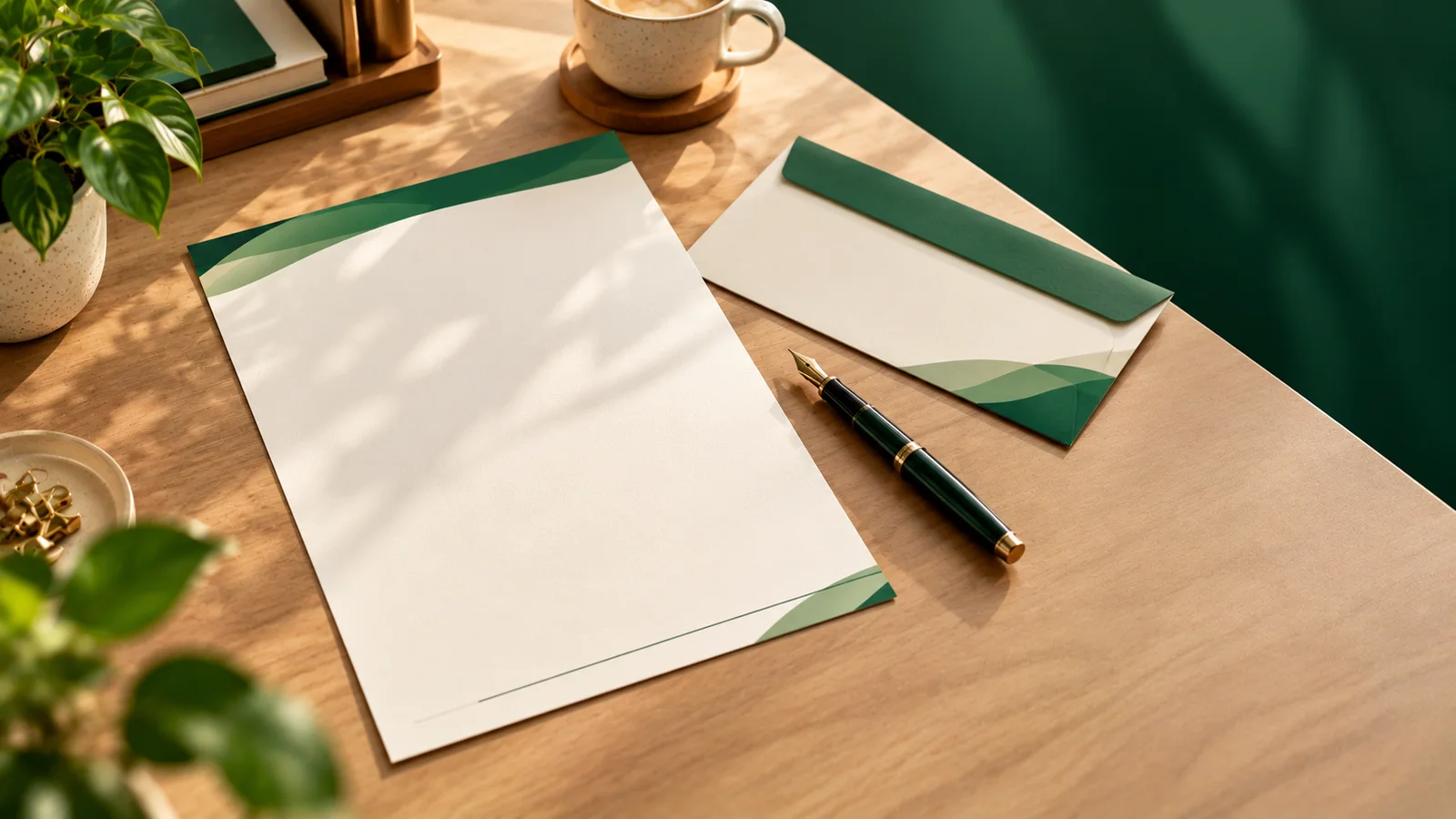
The best approach is a confident cover and calm inner sheets. Put your branding, event name and any key details on the cover, in full colour. On the inner sheets, keep it light: a small logo in a corner, a slim header or footer band, maybe faint ruled lines or a very subtle watermark. Your logo stays visible on every page without getting in the way of the notes.
If it's for a specific event, add a little practical information inside, like the event hashtag, your website or a QR code on the back cover linking to the session slides. People really appreciate that.
We see them ordered for corporate training sessions, where each participant gets one at their seat. Pharma and dealer meets use them as part of the welcome kit. Schools and coaching institutes hand them out at orientations. Hotels and co-working spaces leave them in meeting rooms. And plenty of businesses simply order a batch for their own office desks, because a branded pad on the reception counter looks a lot more professional than loose paper.
For an event, the simple answer is the number of attendees plus about ten percent. Some people take two, some walk in without registering, and speakers or staff always want one. If the pads are for your own office, think about how many desks and meeting rooms you have and how fast a pad gets used. Fifty sheets goes surprisingly quickly in a busy sales team. Many businesses order a single larger batch for the year, because the cost per pad drops noticeably with quantity, and pads stored properly keep perfectly well.
One more idea: if you run several events a year, keep the inner sheet design generic, with just your logo, and change only the cover for each event. You'll save design time and keep a consistent look across everything you hand out.
You'll design two things: the cover and the inner sheet. For A4, set the canvas to 216 x 303mm, and for A5, 154 x 216mm, both including 3mm bleed. Keep text 5mm in from the edges. Use 300 DPI images and CMYK colours. On the inner sheet, keep any tint very light, so ink from a blue pen still stands out clearly. A quick test: print your inner sheet on your office printer and try writing on it. If your handwriting is hard to read on it, lighten the design.
Store pads flat or upright in a dry place. Humidity weakens glue binding and can wrinkle pages, so avoid damp storerooms. Keep the backing board intact; it's what makes the pad usable on a lap. And if a spiral gets slightly bent during transport, a gentle press usually brings it back.
Our conference pads start from Rs. 2125, with the final price depending on size, paper, binding, printing sides and quantity. Compared with giveaways that get forgotten in a drawer, a pad that sits on someone's desk for three months is remarkable value.
If you've got an event coming up, plan the pads alongside your badges, certificates and brochures so everything carries the same look. You can set yours up on our conference pads page. We'll send a digital proof of the cover and inner sheet before printing.